Safety Tips for Using Bondage Kits: Ensuring a Positive Experience
Exploring bondage kits can be an exciting and fulfilling experience for couples looking to spice up their intimate lives. However, it is crucial to prioritize safety and consent to ensure a positive experience for both partners. In this comprehensive guide, we will provide detailed safety tips and guidelines for using bondage kit s, ensuring your adventure is both enjoyable and secure. Understanding Bondage Kits Bondage kits typically include a variety of items such as handcuffs, blindfolds, ropes, gags, and other restraint devices. Each item has a specific purpose and should be used with care and attention to detail. Understanding the function and proper use of each component is essential for maintaining safety. Types of Bondage Kits Beginner Kits: These kits are designed for those new to bondage and usually include basic items such as soft cuffs, blindfolds, and light restraints. Intermediate Kits: These kits may include more advanced restraints, such as rope or adjustable cuffs, as well as additional items like ball gags or nipple clamps. Advanced Kits: These kits are intended for experienced users and may include more complex restraints and devices, such as spreader bars, suspension equipment, and intricate rope bondage tools. Prioritizing Consent and Communication Establishing Boundaries Before engaging in any bondage activities, it is essential to have an open and honest conversation with your partner. Discuss each other's boundaries, preferences, and limits. Establish a safe word—a pre-agreed word that either partner can use to immediately stop the activity if they feel uncomfortable or unsafe. This ensures that both partners have a clear understanding of their limits and can enjoy the experience without fear. Continuous Communication Communication should not end once the play begins. Continuously check in with your partner to ensure they are comfortable and enjoying the experience. Pay attention to their verbal and non-verbal cues, and be prepared to adjust or stop the activity if needed. Ensuring Physical Safety Proper Use of Restraints When using restraints such as handcuffs, ropes, or straps, it is crucial to ensure they are applied correctly and not too tightly. Improper use can lead to circulation issues and nerve damage. Here are some tips: Handcuffs: Use padded cuffs to avoid injury. Make sure they are snug but not too tight, allowing enough room to slide a finger between the cuff and the skin. Ropes: Use soft, flexible ropes designed for bondage to avoid rope burns and abrasions. Avoid tying knots too tightly and check regularly to ensure circulation is not restricted. Straps: Adjustable straps should be used with caution. Ensure they are securely fastened but not overly tight, and regularly check for signs of discomfort or restricted movement. Safe Use of Gags Gags can add an exciting element to bondage play but should be used with caution. Here are some key safety tips: 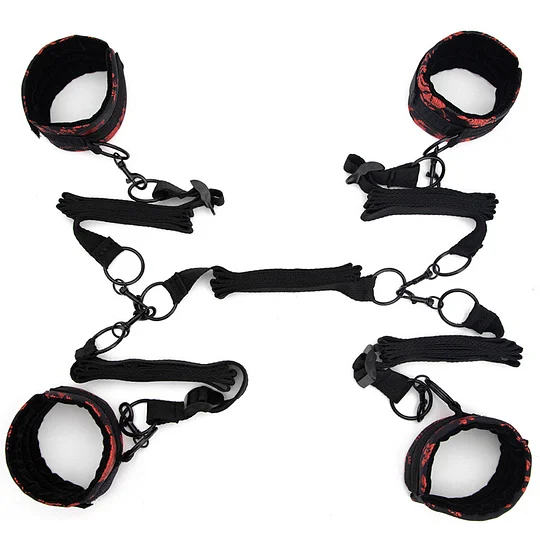 Breathable Gags: Opt for gags that allow for easy breathing, such as ball gags with holes or breathable cloth gags. Communication: Establish a non-verbal signal (e.g., a hand gesture) that the restrained partner can use to indicate they need to stop or take a break. Regular Checks: Regularly check on the gagged partner to ensure they are comfortable and not experiencing difficulty breathing. Maintaining Emotional Safety Aftercare Aftercare is a critical component of any bondage play. It involves taking care of each other's emotional and physical well-being after the session ends. This can include: Physical Comfort: Providing water, blankets, or snacks to help the body recover. Emotional Support: Offering reassurance, cuddling, or discussing the experience to ensure both partners feel secure and connected. Debriefing: Talking about what each partner enjoyed or found challenging, which helps to improve future experiences and deepen trust. Hygiene and Cleanliness Cleaning Equipment Proper hygiene is essential to prevent infections and maintain the longevity of your bondage equipment. Here are some tips for cleaning: Handcuffs and Metal Items: Clean with a disinfectant wipe or mild soap and water. Ensure they are thoroughly dried to prevent rust. Ropes and Fabric Items: Wash ropes and fabric items in warm soapy water, rinse thoroughly, and air dry. Consider using a mesh laundry bag for delicate items. Gags and Insertables: Clean with an antibacterial toy cleaner or mild soap and water. Ensure all parts are thoroughly rinsed and dried before storage. Personal Hygiene Both partners should prioritize personal hygiene before engaging in bondage play. This includes: Showering: Ensure both partners are clean and free from any infections or skin conditions. Oral Hygiene: If using gags, ensure good oral hygiene to prevent the spread of bacteria. Hand Hygiene: Wash hands thoroughly before and after play to prevent the transfer of germs. Choosing Quality Equipment Investing in high-quality bondage equipment is essential for safety and durability. Look for items made from body-safe materials and reputable manufacturers. Consider reading reviews and seeking recommendations from trusted sources to ensure you are purchasing reliable products. Inspecting Equipment Regularly inspect your bondage equipment for signs of wear and tear. Replace any items that show damage or deterioration to prevent accidents or injuries. Conclusion By following these detailed safety tips and guidelines, you can ensure a positive and enjoyable experience with bondage kits. Remember that consent, communication, and care are the cornerstones of safe and satisfying bondage play. Prioritize your partner's comfort and well-being, and always be prepared to stop if either of you feels uncomfortable or unsafe.